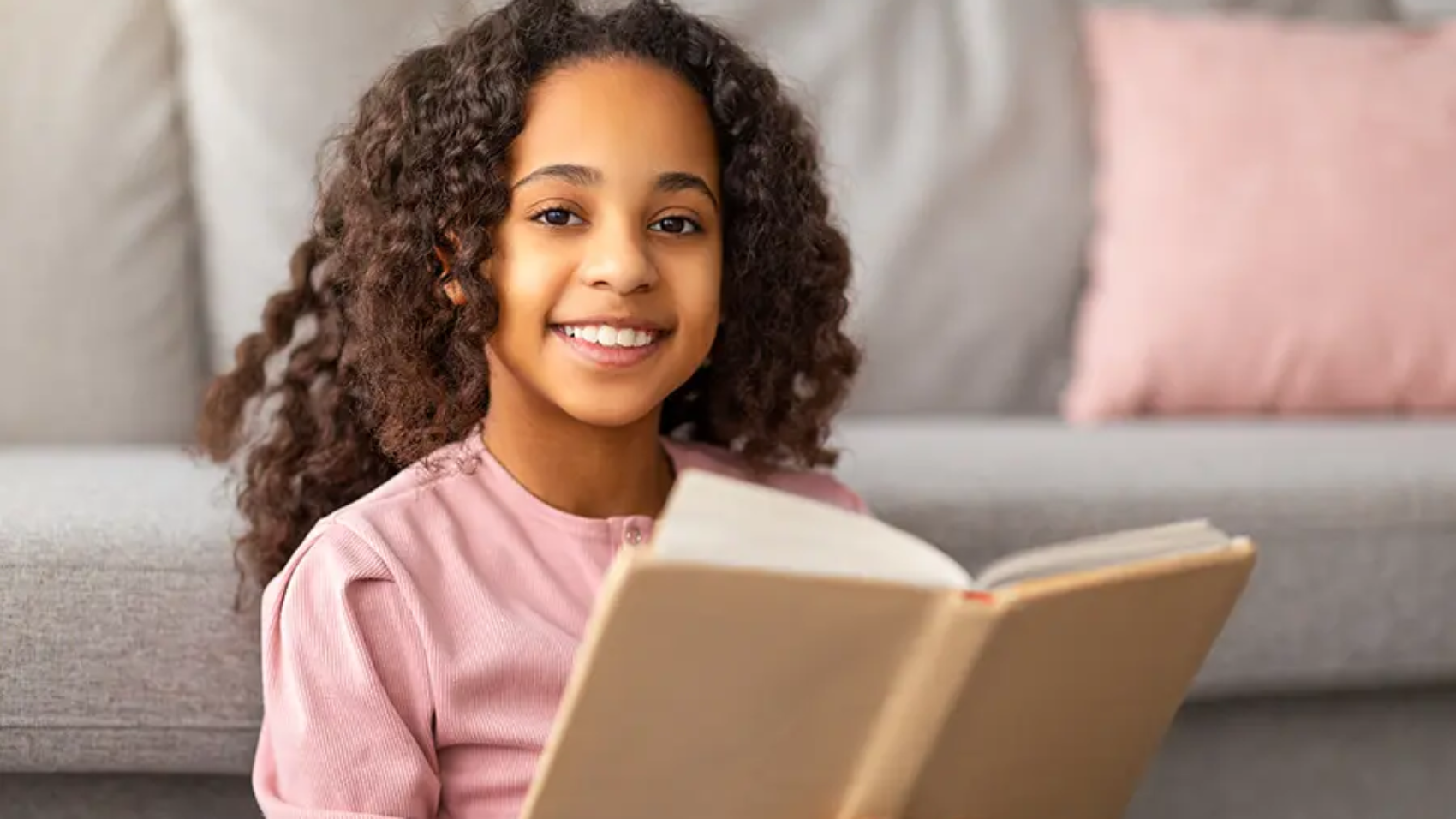
Here’s something we see all the time at DTP: a student who’s been struggling with reading for months suddenly lights up when they get their hands on a book about a kid who looks like them, lives in a neighborhood like theirs, or faces challenges they understand. It’s not magic, it’s the power of seeing yourself in a story.
This Black History Month, we’re talking about something that matters deeply to our mission: making sure every child in Baltimore has access to books that reflect their lives, their communities, and their brilliance. Because when you’re working twice as hard to decode words, the least we can do is make sure those words are worth the effort.
Why Representation in Reading Isn’t Just Nice, It’s Necessary
Let’s be real: learning to read when you have dyslexia is tough. Really tough. You’re battling your brain’s wiring while everyone around you seems to breeze through chapter books. The last thing a struggling reader needs is a boring book about characters and places they can’t connect with.
Research backs this up in a big way. When students encounter texts that mirror their lives, cultures, and backgrounds, they become significantly more motivated to read. And for kids who are already fighting an uphill battle with literacy? That motivation is everything.
A groundbreaking study found that when African-American children were exposed to materials reflecting their communities and families, including culturally relevant genres like Hip Hop, their engagement skyrocketed. Students reported feeling “positive, proud, and confident about who they are.” That’s not just feel-good stuff. That confidence translates directly into a willingness to tackle difficult texts and stick with the hard work of reading.
The Science Behind the Connection
Here’s what happens when a struggling reader picks up a culturally responsive book: their brain stops fighting two battles at once.
Normally, a dyslexic student is working overtime just to decode the words on the page. But when the content feels foreign or disconnected from their life, they’re also expending mental energy trying to understand an unfamiliar context. It’s like trying to learn French while simultaneously learning about medieval European politics, exhausting and demotivating.
But hand that same student a book about a Baltimore kid navigating friendship, family, or community challenges? Suddenly, half the cognitive load disappears. They already understand the context, the emotions, the cultural references. Now they can focus their energy where it needs to go: on building those reading skills.
The results speak for themselves. Students who engage with culturally relevant texts experience improved reading skills and read more frequently. One teacher working with refugee students found she could push her students with more rigorous, challenging texts when they felt connected to the stories.
What Culturally Responsive Really Means
Let’s clear something up: culturally responsive books aren’t just about matching a character’s skin color to a reader’s. That’s part of it, sure, but it goes so much deeper.
We’re talking about books that reflect:
- Language patterns students hear at home and in their neighborhoods
- Family structures that look like theirs (single parents, grandparents raising kids, multi-generational homes)
- Community experiences like block parties, church gatherings, or cultural celebrations
- Real challenges kids face, from food insecurity to code-switching to navigating different cultural expectations
- Joy and excellence in Black life, not just struggle and hardship
It’s the difference between a book that checks a diversity box and a book that makes a kid say, “Hey, that’s like my life!”
The Mirror and Window Approach
Education experts talk about books as mirrors and windows. Mirrors reflect your own experience back to you. Windows let you see into someone else’s world.
Struggling readers need both, but they desperately need mirrors. When you’re seven years old and you can’t read as well as your classmates, you need to see yourself as a hero in a story. You need to know that people who talk like you, live where you live, and look like you can be brilliant, brave, and successful.
Windows matter too, they build empathy and understanding. But if a child never sees themselves reflected in the books they’re asked to read, they start to internalize a painful message: stories aren’t for people like me. Learning isn’t for people like me.
We can’t let that happen.
A Practical Guide for Parents and Tutors
Okay, so you’re convinced. Now what? Here’s how to find and use culturally responsive books with your struggling reader:
Start With Interest, Not Reading Level
Yes, reading level matters, but interest matters more. If your third-grader who reads at a first-grade level is obsessed with basketball, find high-interest, low-level books about Black basketball players or kids who love the game. Motivation will carry them further than a “grade-appropriate” book they couldn’t care less about.
Look for Diverse Authors
Books written by Black authors are more likely to get the details right: the language, the cultural nuances, the authentic experience. Check out authors like Jacqueline Woodson, Kwame Alexander, Jason Reynolds, and Renée Watson.
Use Your Library
Baltimore’s Enoch Pratt Free Library system is an incredible resource. Librarians can help you find books that match your child’s interests and cultural background. Many branches also have diverse book displays, especially during Black History Month.
Make It a Conversation
After reading, talk about what felt familiar or real to your child. Ask: “Have you ever felt like that character?” or “Does this remind you of our neighborhood?” These conversations deepen comprehension and make reading feel relevant.
Don’t Shy Away From Hard Topics
Some of the most powerful culturally responsive books tackle difficult subjects like racism, poverty, or loss. If your child is living these experiences, they need books that validate those feelings. Age-appropriate doesn’t mean pretending these realities don’t exist.
Celebrate Language Diversity
Books that include African American Vernacular English (AAVE) or code-switching aren’t “wrong” or “lesser”: they’re linguistically rich and culturally authentic. These books teach kids that their home language has value while they’re learning academic English.
Making It Work at Home
Here’s the honest truth: you don’t need a library’s worth of diverse books to make a difference. Start small:
Long-term success requires:
- Choose one culturally responsive book per month to read together
- Let your child see themselves in the story, then talk about it
- Connect the book to real life: visit places mentioned, cook foods from the story, or research topics that come up
- Celebrate the effort, not just the reading level
For our tutors working with students, weaving culturally responsive texts into Orton-Gillingham instruction isn’t just possible: it’s powerful. Use diverse books for practice reading, find decodable texts with diverse characters, and make sure your word lists include names and places from students’ communities.
The Bigger Picture
When we talk about culturally responsive books as a tool for struggling readers, we’re really talking about equity and access. Strategically under-invested Black students in Baltimore already face barriers to literacy support. They shouldn’t also have to fight through books that ignore or erase their existence.
At Dyslexia Tutoring Program, we’re committed to evidence-based instruction that meets each student where they are. That includes making sure the books in our students’ hands reflect the richness and beauty of their lives.
This Black History Month, let’s honor that commitment. Let’s fill our classrooms, tutoring sessions, and home bookshelves with stories that show our kids they belong in the world of readers and learners.
Because every child deserves to see themselves as the hero of the story: especially when learning to read feels like the hardest thing in the world.